My 7 Days in Rajasthan Trip Itinerary – A Journey Through Color, Culture, and Calm
I still remember the feeling when I first stepped into Rajasthan. It is my 7 Days Rajasthan Trip Itinerary was not just another trip it felt like walking into a dream painted in sandstone and silk. Every city had its own charm. The bright pink walls of Jaipur, the blue lanes of Jodhpur and the golden dunes near Jaisalmer… each place whispered a different story.
What made this trip special was how easy it was to follow. I planned it in a way that I didn’t have to rush. No back-and-forth travels. Just one smooth ride from one royal city to another. And I stayed in beautiful places that didn’t burn my pocket some even surprised me with their charm.
This is not a guide filled with fancy words or perfect pictures. This is my honest first-hand experience of 7 days in Rajasthan. I will tell you where I stayed, how I got around, what I ate and even what things didn’t go so well.
Because when we travel it is the mix of magic and mess that makes memories, isn’t it?
Looking for a 7 days Rajasthan trip itinerary? This guide shares a real, easy route through Jaipur, Pushkar, Jodhpur, and Udaipur with places to stay, food tips, and honest advice.
Day 1 – Jaipur
It was just past sunrise when I arrived in Jaipur, and even before I stepped out of the station, the city had already begun to whisper to me. The air was filled with the scent of dust, marigold, and early-morning chai. Rickshaws buzzed by and somewhere in the distance, a temple bell rang. This was not just the beginning of a trip it felt like the opening of a storybook.
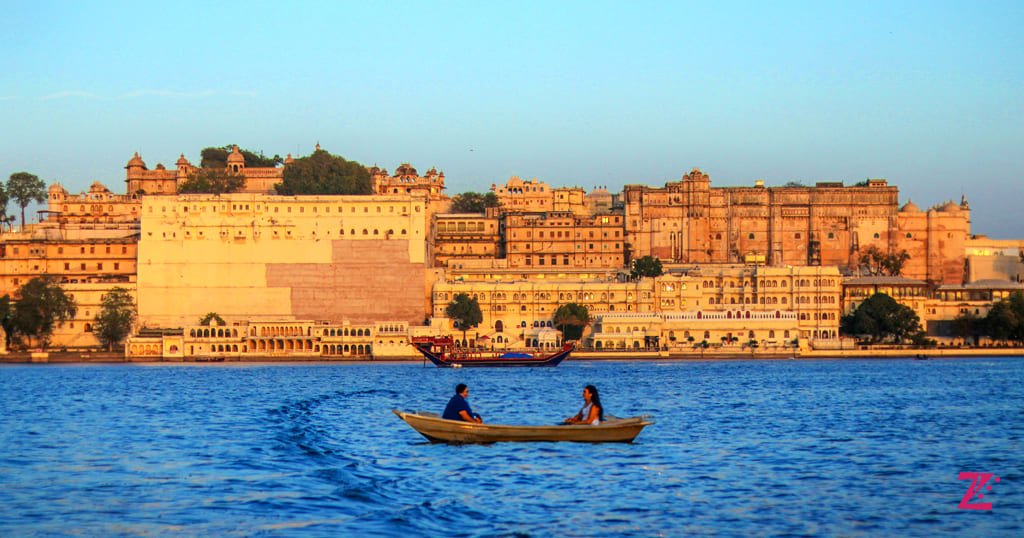
I had booked a stay at Khandela Haveli a charming heritage hotel placed into a peaceful corner of the city. It wasn’t grand or flashy but it had soul. Stone courtyards, soft Rajasthani murals on the walls and a small fountain in the middle where pigeons gathered. My room was simple but elegant with jharokha-style windows and a carved wooden bed. The cost for one night was around ₹2,800 including breakfast and more than anything it felt like home.
I didn’t want to rush out right away. I took a moment on the rooftop terrace sipping ginger tea and letting the pink light of the morning settle in. From that height I could see the city slowly waking up shopkeepers opening shutters schoolchildren in uniforms cows lazily strolling through narrow lanes. There was no chaos just rhythm.
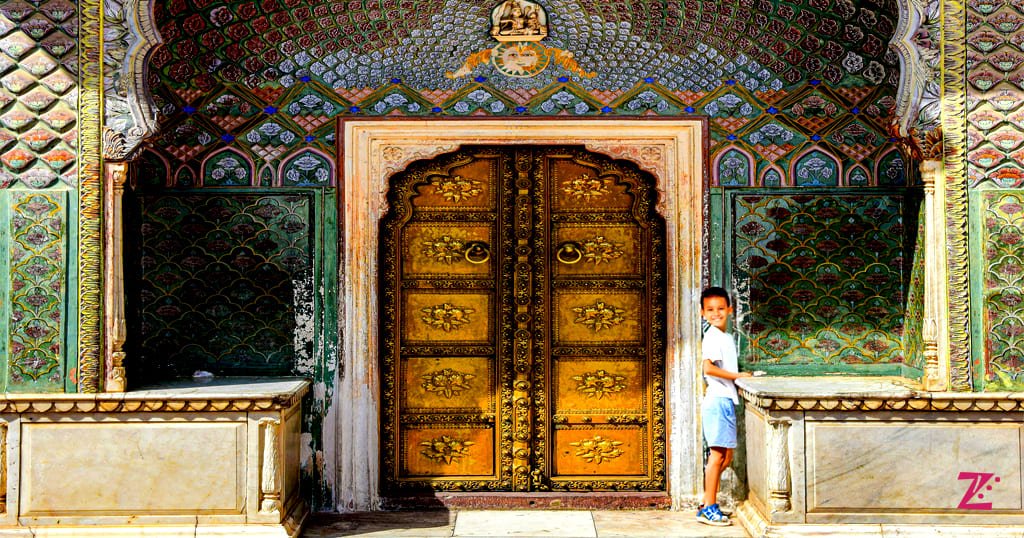
Later in the morning, I took an Uber to City Palace. It stood in the middle of the old city like a reminder of timeless grace. The entry fee was ₹200 and though parts of the palace were crowded the inner courtyards were peaceful. I stood in front of the famous Peacock Gate its colors still vibrant despite the centuries. The museum inside held royal garments and weapons and I found myself wondering about the hands that once held them.
Just across the street, the Jantar Mantar offered a noiseless experience. Fewer tourists. More space. I listened to a guide explaining the sundial that still tells time with surprising accuracy. It made me smile to think of time being measured by shadows in a city that feels untouched by it.
For lunch, I headed to Laxmi Misthan Bhandar (LMB) an old favorite among locals. I ordered a simple Rajasthani thali dal baati churma, gatte ki sabzi and soft rotis dripping with ghee. The flavors were earthy and rich and I left feeling full not just in my stomach but in spirit.
In the evening, I took a leisurely walk through Johari Bazaar, not to buy anything just to soak in the colors. Bangles sparkled, fabrics swayed in the wind and shopkeepers called out with practiced sweetness. A few were a bit too eager some even followed for a few steps but it was easy to say no with a smile.
By sunset, I found myself at Hawa Mahal. I didn’t go inside. Instead, I sat across the road at a rooftop café watching the honeycomb façade glow in the golden light. There was a calm in that moment sipping cold coffee and watching the city slow down around me.
The only downside of the day was the heat it caught up with me in the afternoon and I had to rest for a while before heading out again. Also, Uber worked fine in the central areas but for smaller streets auto drivers often charged high unless you negotiated.
But as I lay in bed that night under a fan that creaked like an old song, I felt grateful. Jaipur hadn’t overwhelmed me it had welcomed me like a gentle friend. And I still had so much more of Rajasthan waiting to unfold.
SEO-Optimized Affiliate Table with Disclosure
Disclosure: This article contains affiliate links. If you book through them, I may earn a small commission at no extra cost to you. This helps me keep sharing real travel stories on Zestycrush.
| City | Hotel Name (Stay) | Booking Link |
| Jaipur | Umaid Mahal Heritage Hotel | Book Here |
| Jaipur | Khandela Haveli | Book Here |
| Jodhpur | Raas Jodhpur (Boutique Heritage) | Book Here |
| Udaipur | Madri Haveli | Book Here |
| Rajasthan | Travel Insurance (7 Days India Travel) | Buy Plan |
Day 2 – Jaipur (Amber Fort, Local Crafts & Folk Evening)
I woke up to the soft rustle of the neem tree outside my window and the smell of parathas wafting from the kitchen below. The first morning in Jaipur had been beautiful but today felt even more intimate as if the city had begun to trust me to reveal its deeper layers.
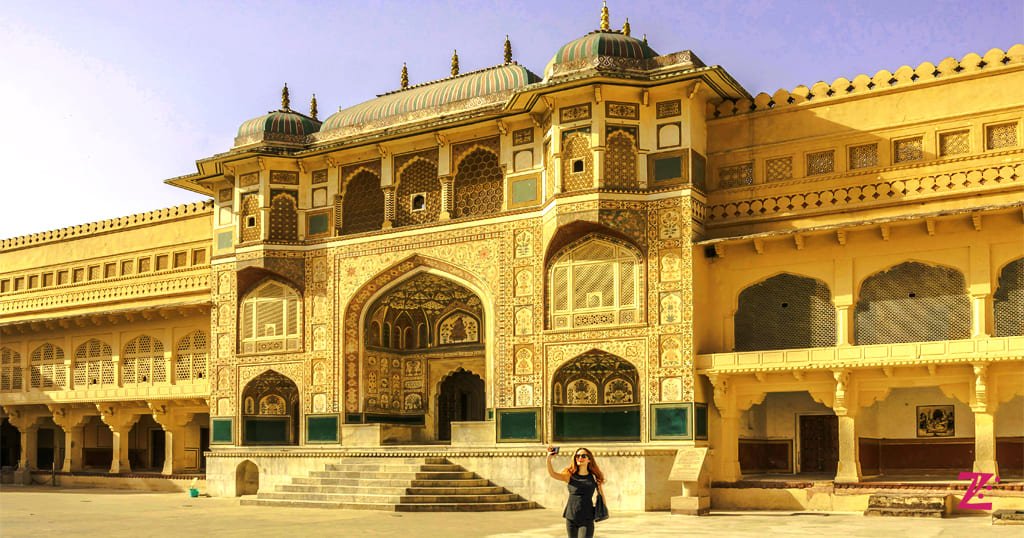
After a hearty breakfast of aloo paratha and masala chai at the haveli I booked a cab through the front desk and headed towards Amber Fort about a 25-minute drive from the city center. The ride itself was calming. The roads slowly curved past old city walls, temples and glimpses of rural Rajasthan. The fort appeared suddenly huge, golden and silent rising out of the hills like something ancient and alive.
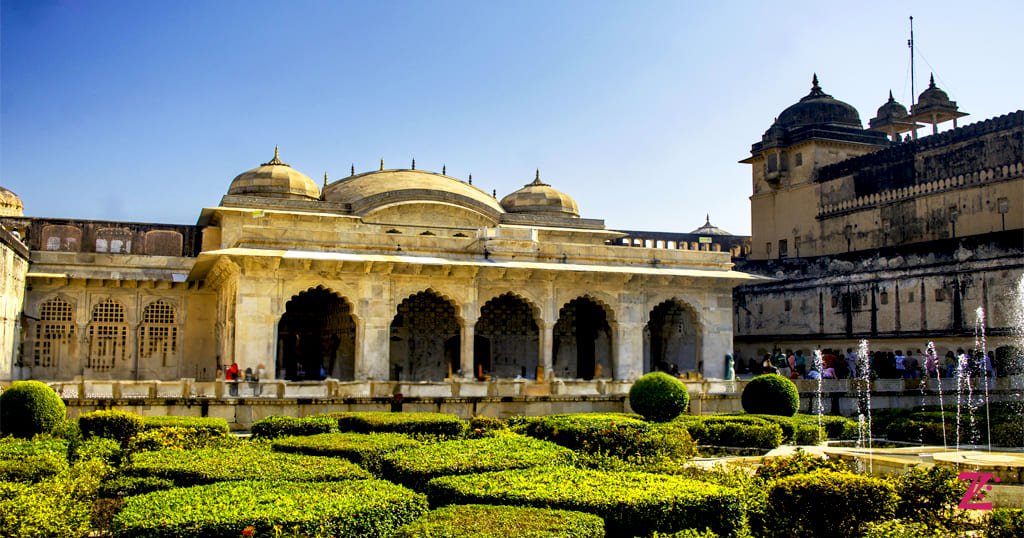
Climbing up the ramparts on foot was tiring but so worth it. No elephant ride for me I preferred the slow walk where I could stop and admire the carvings on each archway the echoes in each courtyard. Inside, the Sheesh Mahal sparkled with thousands of tiny mirrors and I stood there quietly watching how a single ray of sunlight lit up the entire room like stars had gathered on the ceiling.
I spent nearly two hours just wandering through the corridors. The fort was large but never felt confusing. At every turn, there was something to discover a faded fresco, a quiet stairway a view of the Maota Lake below.
Lunch that day was at a small roadside restaurant on the way back 1135 AD known for its regal thali. It was pricier (around ₹900) but dining there felt like being part of a royal feast. Silver cutlery, slow-cooked vegetables thick curries and warm rotis fresh from the tandoor it was a meal I won’t forget.
By afternoon, I was back in the city but instead of ticking off more monuments I decided to explore something slower. I visited Anokhi Museum of Hand Printing not far from Amber. It’s situated inside a restored haveli and shows the beauty of block printing in ways that made me respect the art more deeply. I even tried my hand at stamping a small square of cloth.
Later, I wandered into Bagru village, about 30 minutes from central Jaipur known for its traditional dyeing techniques. It is not a touristy spot and that made it special. The artisans were friendly and though some expected a small tip to show you around the experience felt authentic.
The day ended with a visit to Chokhi Dhani a themed Rajasthani village setup. Yes, it was touristy. And yes, the ticket price (₹900 for adults) seemed a little steep. But as I sat on the floor eating bajra roti, dancing to folk rhythms and watching fire artists twirl under the night sky I felt a kind of joy that was pure and uncomplicated.
Still, not everything was perfect. The heat in Amber was harsh during midday and I had recommend visiting the fort early in the morning or late afternoon. Also, Chokhi Dhani, while vibrant, can feel a bit commercial especially if you prefer quiet local experiences.
But in all, Jaipur on Day 2 was more than just forts and palaces. It was about stories told through stone, songs sung through thread and laughter shared around bonfires.
And as I returned to my haveli that night, tired but glowing I felt ready to leave the city the next morning not to escape it; but to carry its spirit with me into the next chapter.
Day 3 – Pushkar & Ajmer: Where Silence Speaks Loudest
I left Jaipur just after sunrise. The hotel arranged a private cab for me and by 6:30 AM we were on our way to Pushkar. The road was smooth and the journey took about two and a half hours. As we drove past mustard fields, sleepy villages and hills that rose like folded pages I found myself breathing deeper. This wasn’t a day of checklists it was a day of feeling.
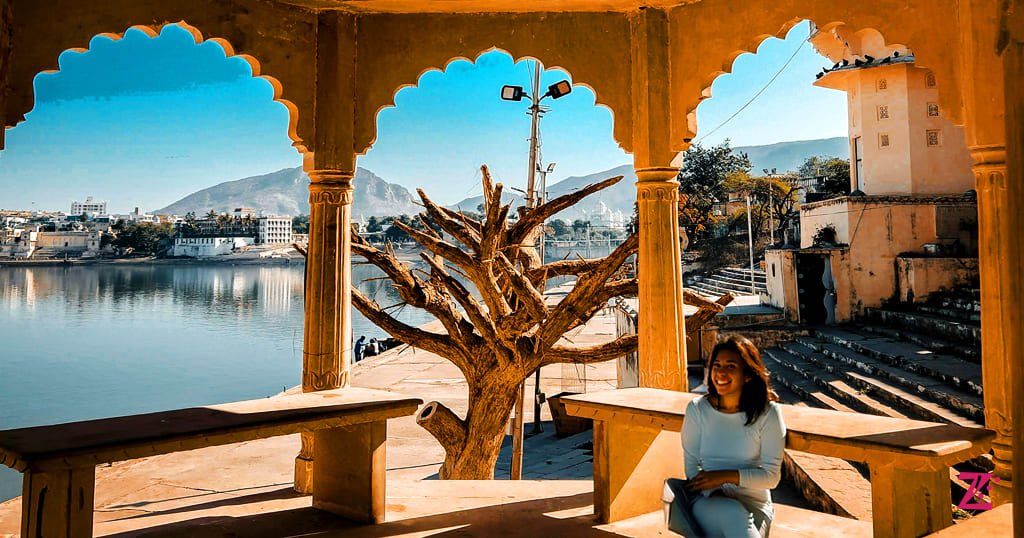
Our first stop was Ajmer settled gently at the foot of the Aravalli Hills. The city felt older more grounded. I visited the Ajmer Sharif Dargah the shrine of Khwaja Moinuddin Chishti. Walking through the narrow lanes filled with the scent of roses and incense, I felt a calm I had not expected. The crowd was dense, yes and navigating through the alleyways required patience. But once inside the courtyard surrounded by prayers and qawwalis something within me stilled.
The dargah’s energy was powerful but not overwhelming. It embraced you gently like a whisper of faith. I sat there for a while shoes off phone off letting the moment hold me.
By late morning, we drove on to Pushkar just 30 minutes away. The contrast was immediate. If Ajmer was deep and serious Pushkar was playful and glowing. The town shined in soft colors blue rooftops, saffron flags and the pink-orange of marigolds strung across shops.
I walked straight to the Pushkar Lake where the 52 ghats reflected the sky like glass. Pilgrims dipped their feet into the holy waters priests chanted rituals under peepal trees and travelers like me sat quietly on the steps letting time pass like water.
A local guide offered to take me to the Brahma Temple one of the very few in the world. Though modest in size it pulsed with devotion. The air inside was thick with chants and sandalwood. I didn’t take photos. Some places are meant to be felt not captured.
For lunch, I wandered into a bohemian café called Café Lake View with floor cushions, fusion food and a dreamy view of the ghats. I ordered a hummus platter and lemon-mint cooler light, fresh and perfect for the mellow rhythm of the town.
Pushkar is also known for its street markets colorful clothes, silver jewelry, handmade journals and everything in between. I picked up a handwoven scarf and a tiny brass bell from a sweet old man who smiled more than he spoke.
But not everything was rosy. A few local priests approached me near the lake, insisting on performing pujas and demanding donations. It felt uncomfortable, and I had to politely walk away. Also, the heat in the afternoon was quite strong, so carrying water and sun protection is essential here.
By evening, I returned to Jaipur. The cab ride back felt longer maybe because I was so full of thoughts. Not tired but quiet. Ajmer and Pushkar weren’t about sightseeing they were about slowing down, breathing in and feeling something ancient move inside you.
That night, I packed for Jodhpur. But my heart was still sitting on the ghats of Pushkar feet dipped in cool water watching the sun go down behind a temple spire.
Day 4 – Jodhpur: The Blue Veins of a Warrior City
I boarded the early morning Shatabdi Express from Jaipur to Jodhpur. The journey took around five and a half hours and it was peaceful just the clickety rhythm of the train and the landscape changing slowly from mustard yellow to desert beige.
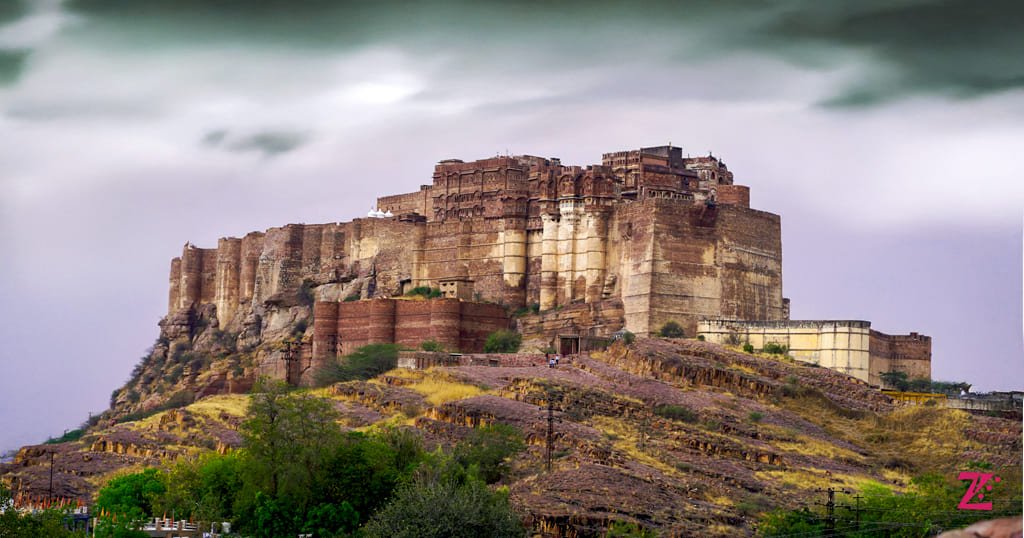
When I stepped into Jodhpur, it was like walking into a different Rajasthan altogether. The city had muscle bold, sun-drenched, full of echoes and echoes again. And everywhere, that surreal shade of indigo blue. It wasn’t just a city; it was a memory painted with sky.
I had booked a stay at Raas Jodhpur, a boutique hotel right beneath the mighty Mehrangarh Fort. The location was magical. From my room, I could see the fort looming above like a silent guardian. The room cost me around ₹6,500 for the night more expensive than my earlier stays but it was worth every rupee. Stone walls, jharokha windows and a rooftop that caught the wind just right.
After a quick rest, I walked through the old city lanes so narrow that scooters brushed past your elbow and shops spilled out like stories. I stopped at Shri Mishrilal Hotel famous for its Makhaniya Lassi. Thick, creamy, flavored with saffron and rose it felt more like dessert than a drink.
Later, I climbed the path to Mehrangarh Fort. It was steep, but every step felt like a drumbeat from history. The fort doesn’t just stand it speaks. Of battles, of kings, of Rajput pride. Inside, the museum is beautifully curated. From palanquins to swords, from paintings to turbans every item carries a tale.
But the moment that took my breath away was standing at the ramparts looking out at the Blue City. Hundreds of rooftops, painted in every shade of cool blue like a sea that had forgotten its waves.
Lunch was a quick bite at Café Mehran tucked inside the fort with views of the desert in the distance. Simple sandwiches, iced tea and peace.
In the afternoon, I wandered around Clock Tower Market. It was chaotic but full of color spices piled in little pyramids, glass bangles clinking in wooden boxes and old men sipping chai by their shops. I bought a brass diya and some hand-ground masala though I had to bargain hard. A few shopkeepers were pushy and one quoted me triple the price until I smiled and walked away.
Evening brought the city back to calm. I had dinner at Indique a rooftop restaurant with a perfect view of the fort lit in gold. I ordered Laal Maas fiery, tender and full of bold flavors. The fort glowed silently above as if keeping watch over every plate and every soul.
But even this beautiful day had its little shadows. Jodhpur’s streets were a bit dusty and confusing to navigate without a local. The sun was harsh during mid-day and autos often overcharged tourists unless you bargained.
Still, that night as I lay under soft white sheets in my haveli-style room I felt something stir inside me. Jodhpur wasn’t just beautiful it was proud. It didn’t try to charm me. It just stood honest and strong like a lion that had nothing left to prove.
Day 5 – Jodhpur: Stillness in the City of Stone
After a full day of forts, food and color I let myself sleep in a little. The morning at Raas Jodhpur was quiet and I took my breakfast slowly on the rooftop fresh fruits, poha and masala chai with the fort still watching above like an old friend. There was no rush today. Jodhpur had more to offer and I wanted to meet it gently.
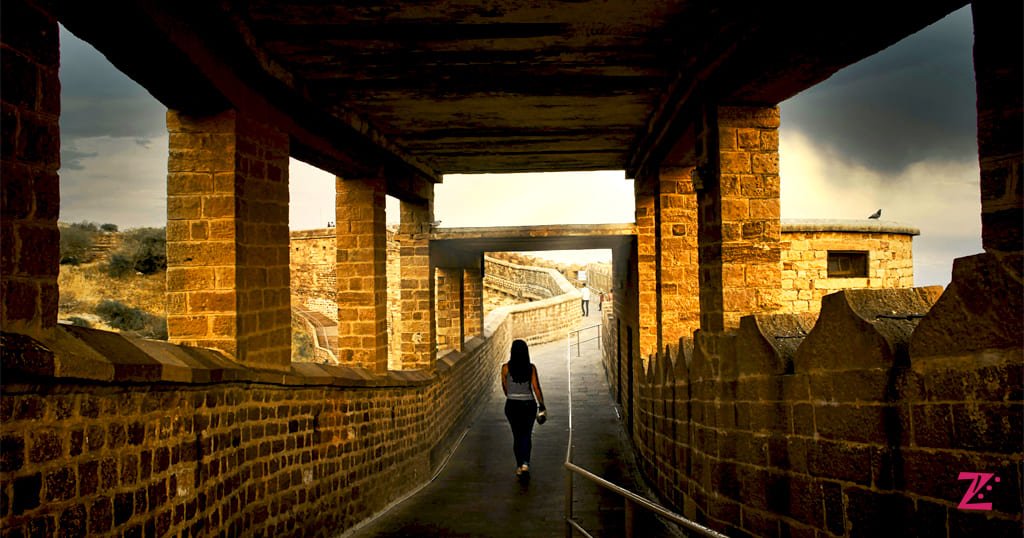
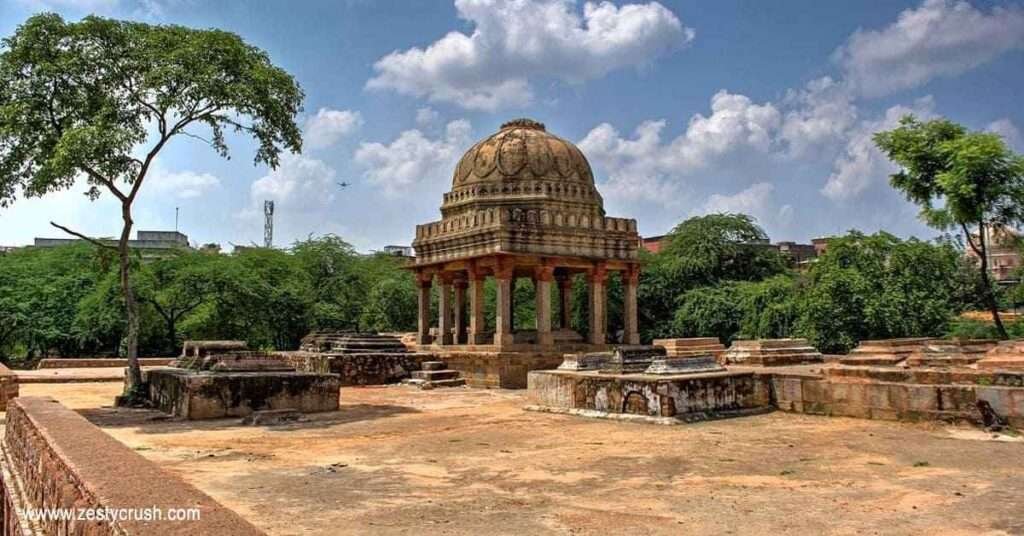
I began the day with a visit to Mandore Gardens about 9 km from the city. The hotel helped me book a cab for ₹500 round trip. The gardens were once the seat of Marwar’s rulers before Jodhpur rose to fame. What remains now are beautifully carved cenotaphs stone temples without idols standing quiet among trees and squirrels. There were fewer tourists which made it perfect for reflection. I sat by a temple arch for a while watching a group of schoolchildren laugh and chase butterflies.
The garden had its raw beauty but it was not very well maintained. Some parts were overgrown and monkeys roamed freely one even tried to snatch my water bottle. Still, it had that calm, crumbling charm, like an old diary left open under the sun.
Later, I made my way to the Mehrangarh Fort textile museum a quieter wing many skip. Here, I saw centuries-old fabrics, embroidered turbans and desert robes that told stories of both royalty and resilience. The details in the stitching were mesmerizing like poetry made with thread.
For lunch, I chose something more casual: The Stepwell Café overlooking Toorji Ka Jhalra a restored 18th-century stepwell. The view was unique locals sitting on the steps children jumping into the water and travelers sipping cold coffee in slow conversation. I ordered a light vegetable pasta and a fresh lime soda. Simple. Perfect.
In the afternoon, I visited the Handicrafts Village at Salawas about 30 minutes outside the city. It was arranged through my hotel and a local guide took me to meet a family of weavers who made durries—traditional hand-woven rugs. The old man at the loom smiled with his eyes as he spoke about colors, wool and traditions passed down through generations. I bought a small cushion cover not cheap but knowing the hands that made it gave it soul.
Evening came quietly. I didn’t go out. I stayed in, sitting on the terrace of the hotel sipping herbal tea and writing in my notebook. The fort lit up again, like it always did but tonight it felt softer like it was saying goodbye.
There were still minor things I’d caution travelers about Jodhpur’s narrow alleys are easy to get lost in and internet speed was slow in parts of the old city. But none of that mattered when the city itself moves at a slower wiser pace.
By nightfall, I had packed for Udaipur. But a piece of my heart was folded between the blue houses and the sandstone steps of this desert gem.
Day 6 – Udaipur: A City Carved from Water and Light
The journey from Jodhpur to Udaipur took about four hours by road. I left early, with a private cab arranged by my hotel for ₹4,000. The route was smooth winding through dry hills and sleepy villages with occasional herds of goats crossing the road like they owned it. Somewhere along the way the air began to soften. The colors turned greener the breeze cooler. I knew I was nearing the lakes.
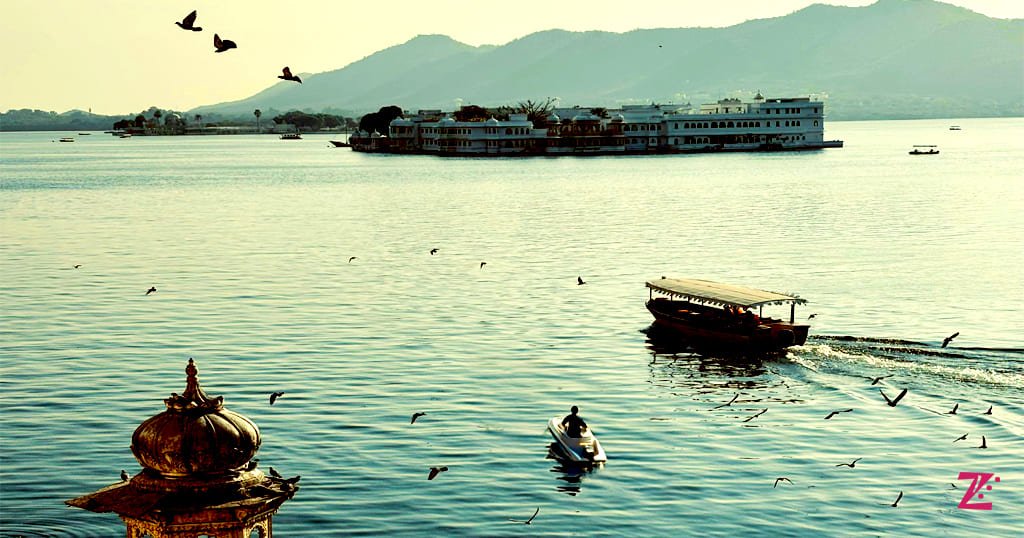
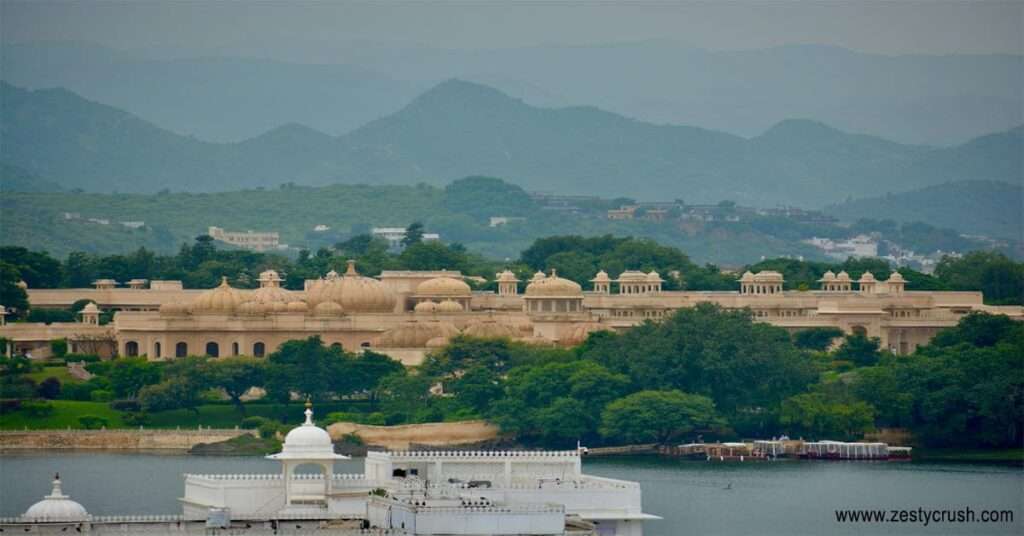
I arrived in Udaipur just after noon. The city looked like it was made of white dreams—palaces rising from water windows kissed by light and bougainvillea vines tumbling over every terrace.
I checked into Madri Haveli an old haveli converted into a boutique hotel in the heart of the old city. It was charming in the silent way—stone staircases, antique lamps and a rooftop that offered views of the City Palace and Lake Pichola. The room cost me around ₹3,000 and it felt like sleeping inside a poem.
After some rest and a quick lunch of vegetable pulao and buttermilk at the hotel café I headed out to explore. I began with the City Palace and from the moment I stepped inside I was lost. Lost in marble courtyards, mirrored halls and stories alleged through arches and balconies. The entry fee was ₹300, and for a few hours I wandered like a silent guest in someone else’s royal memory.
Later, I walked down to Gangaur Ghat. The lake shimmered like it was made of silk. A few children were feeding pigeons while an old man played a soft tune on his flute under a tree. I sat on the steps and just watched the sun begin its slow descent. It was one of those rare moments where nothing needed to be said.
As the sky turned golden, I took a boat ride on Lake Pichola. The boat gently floated past Jag Mandir, Lake Palace and old havelis whose lights were beginning to glow. The air smelled of water and sandalwood. There was laughter from other boats but mine felt silent like a prayer moving across the lake.
Dinner was at Ambrai Restaurant perfectly placed opposite the City Palace. I chose a corner table, lit by lanterns and ordered paneer lababdar with garlic naan. The view was unreal the palace glowing like gold dust its reflection trembling on the lake. For a moment, it felt like the city was dancing just for me.
But yes, Udaipur has its little challenges. The old city’s lanes are narrow and cars can’t reach most hotels so you will have to walk a bit with your luggage. Also, autos here quote tourist prices upfront and it takes some effort to bring them down.
Still, none of it felt like trouble. Because Udaipur is not a city you conquer. It is a city you surrender to. You let it hold you, gently, until you forget where the road ends and the lake begins.
As I returned to my room and looked out over the rooftops I knew this trip was nearing its end. But the story—it had only just begun.
Day 7 – Udaipur: A Soft Goodbye
The morning in Udaipur began slower than usual. I woke before the sun wrapped in the soft silence that only this city seems to know. On the rooftop of Madri Haveli, I stood barefoot watching the sky shift from ink to gold. The lake was still asleep and even the birds whispered their first songs carefully as if they didn’t want to disturb the calm.
I had nothing grand planned for the day. No forts. No checklists. Just small meaningful goodbyes.
After breakfast simple aloo poha and a glass of cold coffee I walked down to Fateh Sagar Lake. It is less touristy than Lake Pichola, more open, more raw. Locals sat on the stone railings, couples held hands quietly and morning joggers passed by with polite nods. I found a quiet bench under a gulmohar tree and just watched the world float by.
A little later, I took an Auto Rikshaw to Sajjangarh Palace, also known as the Monsoon Palace. It’s perched on a hill and though the ride was bumpy and the road a bit uneven the view from up there was worth it. Udaipur stretched below like a map drawn in light and water. The palace itself is mostly empty but the breeze that passes through its windows brings old stories with it.
By midday, I returned to the city and had my final meal at Millets of Mewar a small restaurant known for its healthy local dishes and warm vibes. I ordered bajra khichdi and lemon ginger tea. The walls were covered with traveler notes, and one of them read, “You don’t visit Udaipur you remember it.” I smiled, because I knew exactly what that stranger meant.
Before leaving, I picked up a few souvenirs a hand-painted wooden elephant, a bottle of rose water and a tiny diary from a street artist near Gangaur Ghat. Not much, but enough to carry the essence of this place back with me.
The hotel helped me arrange a cab to the airport. As we drove through those same narrow lanes one last time, I rolled down the window and let the breeze touch my face. The city didn’t ask me to stay. It didn’t cry or cling. It just watched, quietly as I left like an old friend who knows you’ll come back.
And as the plane lifted above the lakes and palaces, I looked down one last time. Udaipur was growing smaller beneath me but inside my heart it had never been bigger.
Closing Note – Let Rajasthan Stay With You
Rajasthan isn’t a place you tick off a list it’s a feeling that lingers in your chest long after you have left. It’s in the cracked walls of an ancient haveli the echo of footsteps in a quiet fort the taste of laal maas under starlit skies and the sound of temple bells at dawn. In just seven days I felt more than I had in months joy, stillness, awe, even exhaustion but the kind that comes from living fully.
What made this journey beautiful was not just the palaces or lakes. It was the old man who guided me through block printing in Bagru. The woman who handed me prasad outside Brahma Temple. The fort guards who stood tall as the sun burned above. The kindness in the chaos. The poetry in the dust.
Of course, there were moments of discomfort—traffic, heat, haggling and delays. But that’s Rajasthan too. It doesn’t try to hide its flaws. It shows you everything boldly, proudly, unapologetically. And somewhere in that rawness it becomes real. If you follow this itinerary, you won’t just see Rajasthan you will feel it.
And once you do you will carry it with you. Not just in photos, but in your breath, in your silence and in that small part of your soul that now belongs to the desert winds.
FAQ
Is 7 days enough to explore Rajasthan?
Yes, 7 days is a good amount of time to experience Rajasthan if you plan smartly. You won’t see everything, but with a thoughtful route like Jaipur → Pushkar → Jodhpur → Udaipur, you’ll enjoy a balance of history, culture, food, and relaxation—without rushing.
What is the best time to take this 7-day Rajasthan trip?
The best time to follow this itinerary is between October and March when the weather is pleasant and sightseeing feels comfortable. Avoid summer months like May and June, as temperatures can soar above 45°C.
How much does a 7-day Rajasthan trip cost?
It depends on your choices, but for a mid-budget trip you can expect to spend around ₹35,000–₹45,000 per person (excluding flights). This includes heritage stays, transport, meals and experiences. Luxury options will naturally increase the budget.
Is it safe for solo travelers, especially women?
Yes, Rajasthan is generally safe for solo travelers. Stick to daytime travel use reliable cab services and book stays with good reviews. Locals are friendly but it’s always best to stay aware in crowded areas.
Can this itinerary be done with kids or elderly family members?
Absolutely. This route avoids very long journeys and includes relaxed experiences. Just make sure to skip steep climbs (like walking up Amber Fort or Monsoon Palace) if mobility is a concern and always stay hydrated.
Should I book hotels and transport in advance?
Yes, especially during peak season. Booking hotels and intercity transport (train/cab) in advance ensures peace of mind. Local sightseeing cabs can be booked on arrival but compare prices before confirming.
Are credit cards and UPI widely accepted in Rajasthan?
In major cities like Jaipur, Jodhpur, and Udaipur, credit cards and UPI apps like Google Pay work well. However, in places like Pushkar or rural markets it is better to carry some cash.