Best Time to Visit Kruger National Park: A Guide for Wildlife Lovers
If you are dreaming of an unforgettable safari adventure Kruger National Park in South Africa is a must visit destination. As Kruger National Park isone of the largest and most renowned wildlife reserves in Africa this iconic park offers breathtaking landscapes thrilling game drives and up close encounters with some of the most magnificent animals on the planet. But before you pack your bags and head to the African wilderness you might be wondering what is the best time to visit Kruger National Park?
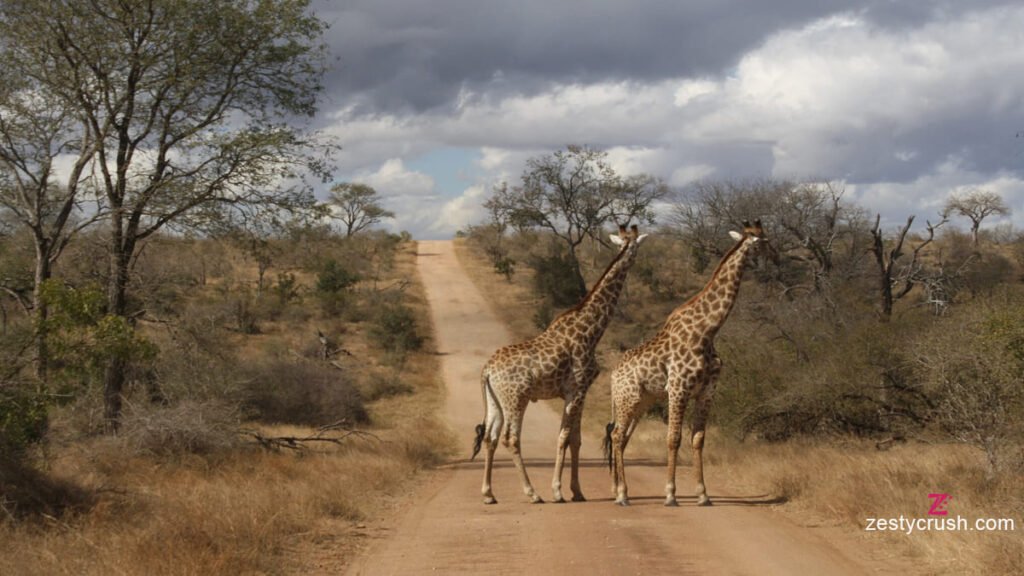
The answer depends on what you want to see and experience. Different seasons bring unique opportunities to witness the animals in Kruger National Park South Africa and explore its spectacular terrain. Whether you are chasing the Big Five or marveling at lush greenery let’s dive into the best times to embark on your Kruger safari adventure.
The best time to visit Kruger National Park depends on what you are looking for. May to September is the dry season and ideal for spotting wildlife like lions, elephants and rhinos as they gather around water sources with September being the peak for game viewing. November to April is the wet season which brings lush greenery, baby animals and vibrant birdlife making perfect for nature lovers. For the ultimate safari experience plan your trip based on your preferences for wildlife, scenery and weather.
Understanding Kruger’s Seasons
Kruger National Park experiences two distinct seasons: the dry winter season (May to October) and the wet summer season (November to April). Each season offers unique opportunities to spot wildlife, enjoy the landscapes, and experience the park’s diverse ecosystems. The best time to visit Kruger NationalPark largely depends on your safari priorities—whether it is wildlife viewing, lush scenery or fewer crowds.
The Dry Season: May to October
For most travelers the best time to go to Kruger National Park South Africa is during the dry season. Why? Because this is when wildlife viewing is at its peak. With little rainfall during these months the bush thins out making it easier to spot animals. The dry season also drives wildlife to congregate around waterholes and rivers offering exceptional opportunities for game viewing.
During this period, you will encounter a remarkable array of animals in Kruger National Park South Africa including lions, leopards, elephants, rhinos and buffalo the legendary Big Five. Early mornings and late afternoons are ideal times for game drives as the animals are most active during this time. Imagine the thrill of seeing a pride of lions basking in the golden sunlight or elephants quenching their thirst at a waterhole.
The winter months also bring cooler more comfortable temperatures especially during the mornings and evenings. While daytime temperatures remain pleasant you will want to pack a jacket for chilly early game drives.
The Wet Season: November to April
The wet season could be the best time to visit Kruger Park if you are a fan of vibrant landscapes and birdwatching. The summer rains transform the park into a lush green paradise with tall grasses blooming flowers and an abundance of water. This is a magical time to witness nature in full bloom while the dense vegetation can make spotting wildlife more challenging.
The arrival of newborn animals is one of the highlights of the wet season. It is calving season for many species and you will likely spot baby impalas, zebras and wildebeest wobbling alongside their mothers. Predators like lions and leopards are also more active as the abundance of prey keeps them on the hunt.
Additionally, the wet season attracts migratory birds making it a haven for birdwatching enthusiasts. If you are captivated by the beauty of colorful feathers and melodic bird calls this is the best time to visit Kruger South Africa.
Plan your seamless visit
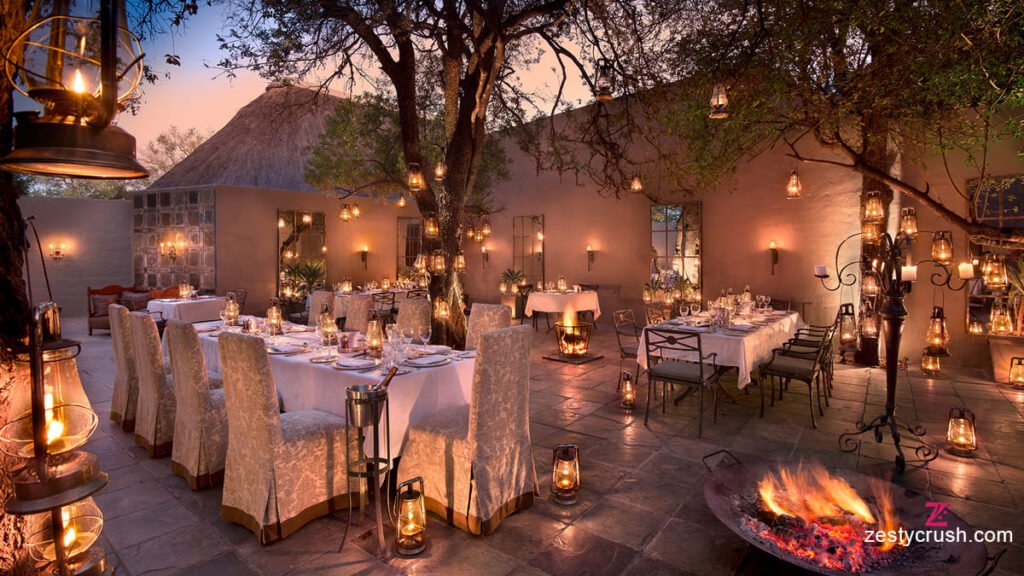
Embark on your unforgettable safari adventure to Kruger National Park with everything seamlessly planned. Start by booking a cozy stay at top safari lodges or luxury hotels near the park to fully immerse yourself in nature. Secure the best flight deals to South Africa for a hassle-free journey, and don’t forget to protect your trip with reliable travel insurance for peace of mind. Stay connected with a global eSIM, perfect for navigating the park, sharing your wildlife encounters and keeping in touch with loved ones. While exploring the park, don’t miss iconic places like the Crocodile Bridge Gate and the legendary Big Five game drives. With your flights, accommodation, insurance and connectivity sorted your Kruger safari promises to be a once-in-a-lifetime experience!
Best Months to Visit Kruger National Park
While the dry and wet seasons each have their perks narrowing down the best month to visit Kruger National Park can help you plan the perfect trip.
- May to August: These are the coolest months ideal for game viewing. The landscape is drier and wildlife is easier to spot near water sources. These months are particularly great for avoiding the intense heat of summer while still enjoying excellent sightings of the animals in Kruger.
- September to October: This is the tail end of the dry season and arguably the best time to go to Kruger Park. With water sources dwindling wildlife sightings become even more frequent and dramatic. It is also a great time to avoid the crowds of peak tourist season.
- November to February: For those who love greenery and baby animals this period is the best time to travel to Kruger National Park. The lush vegetation and active birdlife make for a stunning safari experience even if wildlife spotting requires a bit more patience.
- March to April: As the rainy season tapers off you will enjoy a mix of lush landscapes and increasing wildlife visibility. This shoulder season is ideal for travelers seeking a quieter more affordable safari experience.
What to Expect From Kruger National Park’s Wildlife
Kruger National Park is home to an incredible diversity of animals, making it one of the top safari locations in the world. The park is famous for its Big Five, which include lions, leopards, elephants, rhinos, and buffalo, but that is only the beginning. The animals in Kruger National Park, South Africa, will take your breath away, from majestic giraffes and amusing baboons to secretive cheetahs and hyenas.
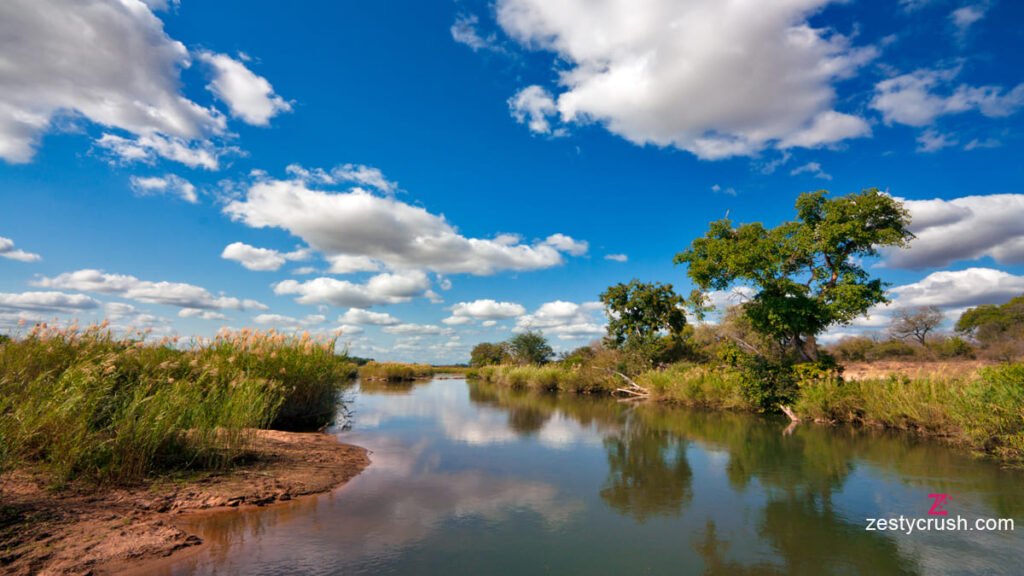
If you are lucky, you might even witness thrilling predator prey interactions especially during the dry season. These moments are unforgettable and make the best time to visit Kruger National Park South Africa truly magical.
Why the Dry Season is Perfect for First-Time Visitors
For first-time safari goers, the dry season is hands down the best time to visit Kruger Park South Africa. With sparse vegetation wildlife is easier to spot and game drives become a thrilling adventure. There is nothing quite like seeing an elephant family crossing the road in front of your vehicle or a lion lounging under a shady tree.
Because there is no standing water, the park has less mosquitoes during this season. This provides further comfort for guests who wish to enjoy their journey without worrying about mosquito bites.
Why the Wet Season Charms Repeat Visitors
The wet season provides an entirely new perspective for people who have already visited Kruger during the dry season. The verdant sceneries and plenty of newborn animals enhance the park’s charm. During the rainy season less, tourists visit the park making it a quieter time to visit.
The wet season is particularly ideal for photographers to take breathtaking images of the park’s landscape and lively animal life. From dramatic storm clouds to dazzling zebra coats, the possibilities for magnificent photographs are limitless.
Tips for Planning Your Visit to Kruger National Park
If you are planning a trip to Kruger timing is everything. Knowing the best time to go to Kruger National Park South Africa can make or break your safari experience. For the best wildlife sightings aim for the dry season. If you are looking for greenery and fewer crowds the wet season is your ideal window.
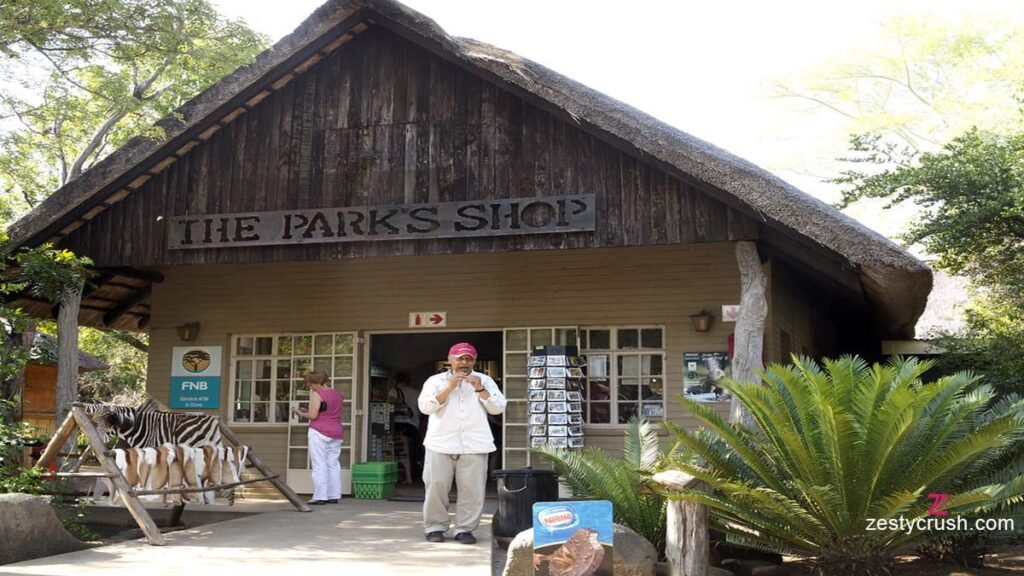
Consider booking accommodations well in advance especially during the peak months of the dry season. Kruger offers a variety of lodging options from luxury safari lodges to self-catering camps. No matter your budget you will find a place to rest and recharge after a day of adventure.
Finally, pack appropriately for the season. Lightweight, breathable clothing is essential for the summer months while warmer layers are a must for winter game drives.
Conclusion
The best time to visit Kruger National Park is ultimately determined by your expectations for your safari journey. The dry season provides unsurpassed animal viewing opportunities and mild weather, making it perfect for first-time visitors. On the other hand, the rainy season’s lush scenery, infant animals, and birdlife appeal to seasoned travelers looking for a more peaceful experience.
No matter when you go Kruger promises a safari that will leave you speechless. The park diverse wildlife stunning scenery and sense of adventure create memories that will stay with you for a lifetime. So, start planning your trip to this African gem and get ready to witness the magic of the animals in Kruger National Park South Africa.
FAQ
When is the best time to visit Kruger National Park?
The optimal time for wildlife viewing in Kruger National Park is during the dry winter months, from May to September. During this period, vegetation is sparse, and animals congregate around water sources, making them easier to spot. September is particularly favorable as the mornings are less chilly, enhancing the overall experience.
What can I expect during the wet season in Kruger National Park?
The wet summer season, from November to April, transforms the park into a lush, green landscape. While the dense vegetation can make wildlife sightings more challenging, this period is ideal for birdwatching due to the presence of migratory species. Additionally, many animals give birth during this time, offering visitors the chance to see newborn wildlife.
How does the weather vary throughout the year in Kruger National Park?
Kruger experiences a subtropical climate. Summers (November to February) are hot and humid, with temperatures often exceeding 30°C (86°F) and frequent afternoon thunderstorms. Winters (May to August) are dry with mild daytime temperatures averaging around 26°C (79°F), but nights and early mornings can be chilly, sometimes dropping below 10°C (50°F).
Are there specific months that are less crowded in Kruger National Park?
The park tends to be busiest during South African school holidays, which occur in March/April, June/July, September/October, and December/January. To avoid crowds, consider planning your visit outside these periods. Months like May and September, which are on the cusp of the dry season, often offer a balance of good weather, excellent wildlife viewing, and fewer visitors.
What wildlife can I expect to see during my visit to Kruger National Park?
Kruger National Park is home to a diverse array of wildlife, including the renowned Big Five: lions, leopards, elephants, rhinoceroses, and buffalo. Depending on the season, you may also encounter cheetahs, giraffes, zebras, various antelope species, and a plethora of birdlife. The specific animals you see can vary with the time of year and the specific habitats you explore within the park.