My 7-Day Sikkim Darjeeling Tour – A Real Travel Experience
This 7-day Sikkim Darjeeling tour itinerary is based on my real journey across two of India’s most beautiful hill regions. If you are searching for places to visit in Sikkim or planning a Darjeeling Gangtok tour here is everything I learned along the way.
This was not just a vacation. It was a real experience. I faced travel delays, discovered hidden spots, tried local food and even had some unexpected moments that made this journey unforgettable. In this article I will walk you through exactly how I spent 7 days in Sikkim and Darjeeling each day explained in simple words with actual costs, tips and some things I wish I had known earlier.
This is a full Sikkim Darjeeling tour itinerary not just with sightseeing spots, but real notes on food, permits, transportation and travel tips. If you are planning your own Sikkim Darjeeling tour, this guide will help you do it right from your first step at the station to the last view of the mountains.
Planning a Sikkim Darjeeling tour? Here’s my 7-day real travel experience across both places with routes, stays, food, permits, and local tips. From Tiger Hill in Darjeeling to Tsomgo Lake in Sikkim, this guide covers everything you need to know before you go.
Day 1: Arrival in Darjeeling – My First Step into the Hills
My journey began early in the morning from Kolkata, where I boarded a train to New Jalpaiguri (NJP). The train ride was long about 10 hours but I had pre-booked a 3AC seat on the Darjeeling Mail which was clean and comfortable. This is a popular route for anyone planning a Darjeeling Gangtok tour or even looking for Sikkim Darjeeling tour packages starting from West Bengal. The train reached NJP around 8:30 AM. From the station I stepped out to find a shared jeep to Darjeeling. You will find many options just outside the NJP station. I paid ₹400 for a seat in a shared cab which is cheaper than booking a private one (those cost ₹2,500–₹3,000).
The road to Darjeeling winds uphill and takes around 3.5 to 4 hours depending on traffic. I was lucky with the weather it was cool with clouds gently floating through the trees. The view from the winding roads was beautiful especially as we passed through the Sukna forest and the famous Kurseong tea gardens.
I reached Darjeeling around 1 PM and checked into my hotel Hotel Seven Seventeen. It is a mid-range Tibetan-style hotel near Gandhi Road. I booked it through a hotel app for ₹2,100 per night. The room was cozy and had an old-world charm though the bathroom fittings could use some upgrading. The staff was kind and helpful which made up for it.
After some rest I headed to the Mall Road area for a walk. It was slightly crowded but had that old-colonial hill station vibe I had heard about. I tried steamed momos and thukpa at a small restaurant called Kunga and the flavors felt truly local nothing like the ones we get in city malls.
That evening, I sat at Chowrasta the heart of Darjeeling watching the locals and tourists blend into the cold air. There was live music by a local group and the whole square felt lively yet peaceful.
Some Real Observations:
- The shared jeep was cramped, and if you are tall or have heavy luggage it might feel uncomfortable.
- The climb to Darjeeling is scenic but the roads have sharp bends. If you are prone to motion sickness, take precautions.
- Mall Road in the evening can feel overly touristy. For a quieter vibe take the back lanes near Bhanu Bhawan.
Day 2: Exploring Darjeeling – Sunrise to Tea Trails
I woke up before 4 AM on my second day something I would never do on a regular vacation. But here in Darjeeling the promise of watching the sun rise over Kanchenjunga is worth every bit of the early morning chill. I had arranged a local taxi the evening before from a booth near Chowk Bazaar for the Tiger Hill sunrise tour. It cost me ₹1,800 for a half-day package which included Tiger Hill, Batasia Loop, and Ghoom Monastery.
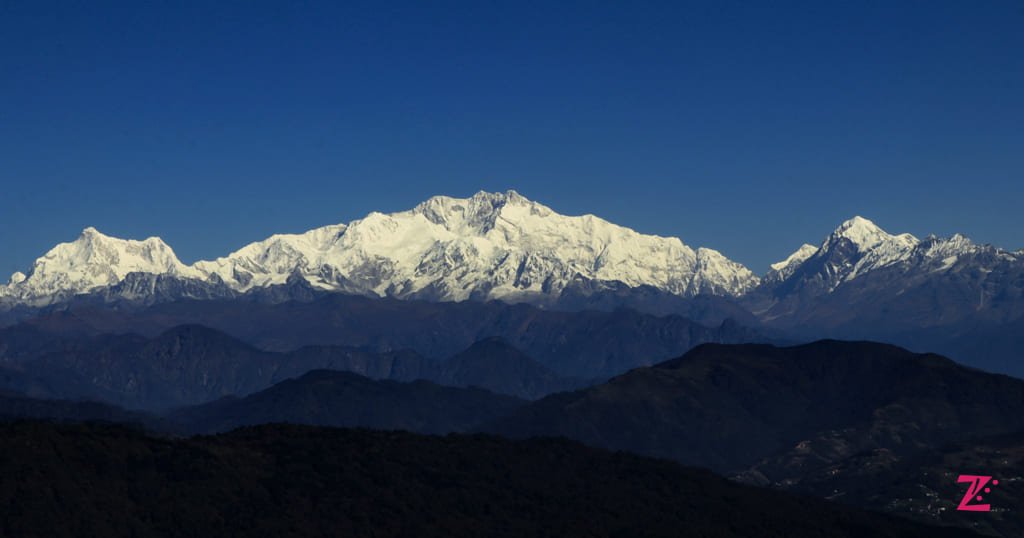
We started the drive by 4:15 AM. It was pitch dark and cold, but as we reached the Tiger Hill viewpoint a quiet excitement filled the air. Dozens of travelers stood wrapped in shawls and jackets, waiting. And then, slowly the peaks of Kanchenjunga began to glow in shades of orange and pink. I had seen photos before but seeing it in real life even with the crowd around felt spiritual.
On the way back, we stopped at the Batasia Loop a beautifully landscaped circular railway track with panoramic views and a war memorial in the center. It is peaceful if you arrive early before it gets crowded. Our last stop was the Ghoom Monastery. It is small but very serene, with an ancient Buddha statue and spinning prayer wheels that filled the air with a rhythmic calm.
After returning, I rested for a bit at the hotel, freshened up and headed for breakfast at Glenary’s the iconic white building with red roofs. I tried their fresh bakery items and Darjeeling tea on the terrace, overlooking the valley.
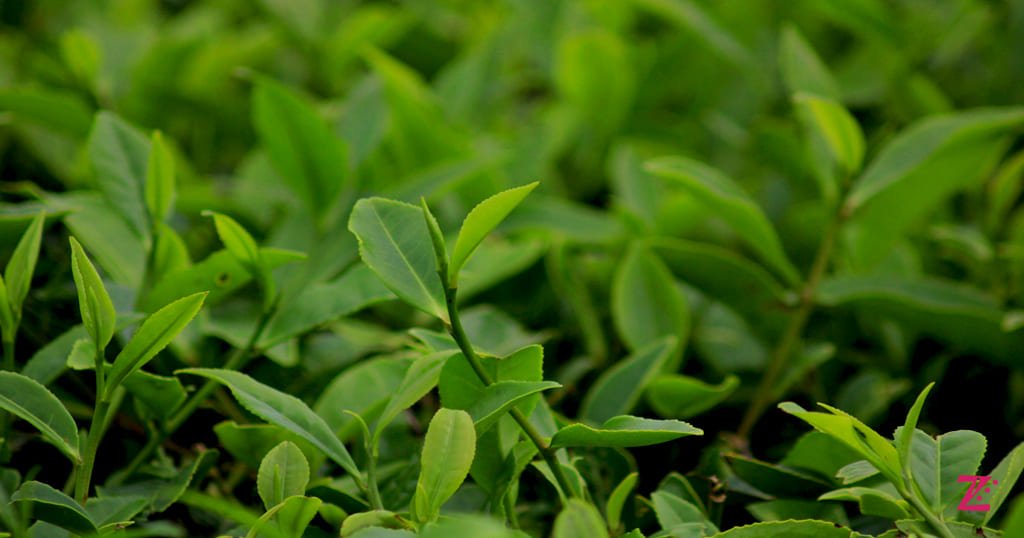
Post-lunch, I decided to visit the Happy Valley Tea Estate. It is just about 15–20 minutes from the main town. I hired a local taxi for ₹300. The estate was lush and quiet and I was able to join a short tea factory tour that cost ₹150. It is run by local workers who explain the full process from plucking to drying. The best part? Tasting fresh Darjeeling tea right where it is made.
In the evening, I walked around Mall Road again but this time took the less crowded Dr. Zakir Hussain Road where small stalls sold woollens, handicrafts and Tibetan jewelry. I also found a cozy bookstore called Oxford Book & Stationery Co. where I picked up a travel journal and some postcards.
Dinner was simple a plate of chicken momos and hot soup at Sonam’s Kitchen a small place recommended by a fellow traveler. It was tucked away near the old taxi stand and though the interiors were basic the food felt like home.
Real Notes from the Day:
- Tiger Hill is often overcrowded. If you want a better view, ask your driver to drop you a little earlier than the usual time.
- Avoid heavy breakfast before the tea estate visit if you’re prone to motion sickness the road is steep and winding.
- Some taxis may overcharge for sightseeing if you do not book in advance or bargain a little.
- The best experiences came from walking not all places were on Google Maps, but locals were happy to guide.
Affiliate Disclosure Line
Disclosure: This post contains affiliate links. If you book through these links, we may earn a small commission at no extra cost to you. Thank you for supporting our travel blog.
Affiliate Table: Book Your Sikkim–Darjeeling Trip Essentials
| Service | Recommended Option | Why We Like It | Book Here |
| Flights | Trip.com– Compare Flights to Bagdogra | Best rates for flights from major Indian & US cities to Bagdogra | Search Flights |
| Hotels in Darjeeling | Trip.com – Top Hotels Near Mall Road | Verified guest reviews and free cancellation options | Check Darjeeling Stays |
| Hotels in Gangtok | Trip.com – Best Rated Gangtok Hotels | Affordable stays near MG Marg with real traveler ratings | Check Gangtok Stays |
| Travel Insurance | Ektatraveling | Covers delays, cancellations, medical emergencies | Get Travel Insurance |
Day 3: Journey to Gangtok – A New Landscape Awaits
After breakfast, I checked out of my hotel in Darjeeling and booked a shared cab to Gangtok. The Gangtok to Darjeeling distance is about 100 kilometers and while the ride is bumpy the views make it worth every turn. The ride takes about 4.5 to 5 hours depending on traffic and weather. I paid ₹500 for a seat in a shared SUV booked directly at the Chowk Bazaar taxi stand. If you are traveling with family or luggage a private cab (₹3,000–₹3,500) is a better choice.
The journey started smoothly but after crossing Jorethang the road condition began to worsen. Sharp curves, patches of broken tarmac and occasional landslide zones made the ride bumpy. Still, the views kept me going steep valleys, hanging bridges and villages tucked into the slopes. I carried a pack of dry snacks, a scarf for dust and most importantly a power bank. There were long stretches without mobile signals.
By early afternoon, I reached Gangtok’s Deorali stand. From there, I took a small local cab to MG Marg where my hotel was located. I had pre-booked Hotel Doma Residency a modest but clean hotel just five minutes from MG Marg. It cost me around ₹2,000 per night. The room was simple with a large window that opened up to a view of fluttering prayer flags and distant hills.
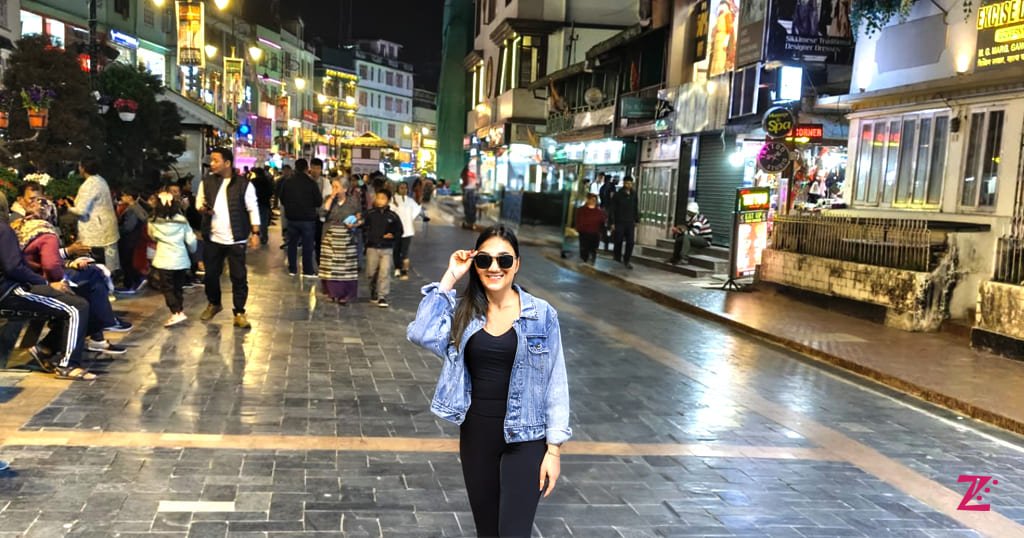
After some rest, I stepped out to explore MG Marg the heart of Gangtok. MG Marg is not just a shopping hub it is one of the most atmospheric places to visit in Sikkim especially in the evenings. Unlike the usual hill town markets MG Marg is pedestrian only clean, well-paved and surrounded by cafes bookstores and handicraft shops. I spent some time people-watching from a bench sipping on butter tea and later wandered into The Dragon Book House which had some rare books on Sikkimese culture.
For dinner, I chose The Local Café a cozy place with good reviews. I tried their traditional Sikkimese thali which included gundruk soup, saag and local pickles. It tasted homely and the service was warm.
That night, as I lay in bed the vibe of Gangtok felt entirely different from Darjeeling. Quieter, more spiritual and somehow slower in a calming way.
Real Notes from the Day:
- The road from Darjeeling to Gangtok is scenic but rough wear comfortable clothes and avoid heavy meals before the ride.
- Deorali Stand to MG Marg can be a bit chaotic with traffic. Pre-decide your drop point if you’re carrying luggage.
- Gangtok shuts down early. Most cafes close by 8:30 PM, so plan your dinner early.
- Don’t expect big city hospitality the charm lies in the simplicity of the people and surroundings.
Day 4: Local Sightseeing in Gangtok – Monasteries, Views, and Culture
I began my day with a hot cup of Sikkimese tea on the hotel balcony. The morning mist rolled in slowly and the city below felt still. After breakfast, I booked a local sightseeing cab for ₹2,200 which included a half-day tour of the popular attractions. The hotel helped arrange it and it saved me the hassle of bargaining with local drivers.
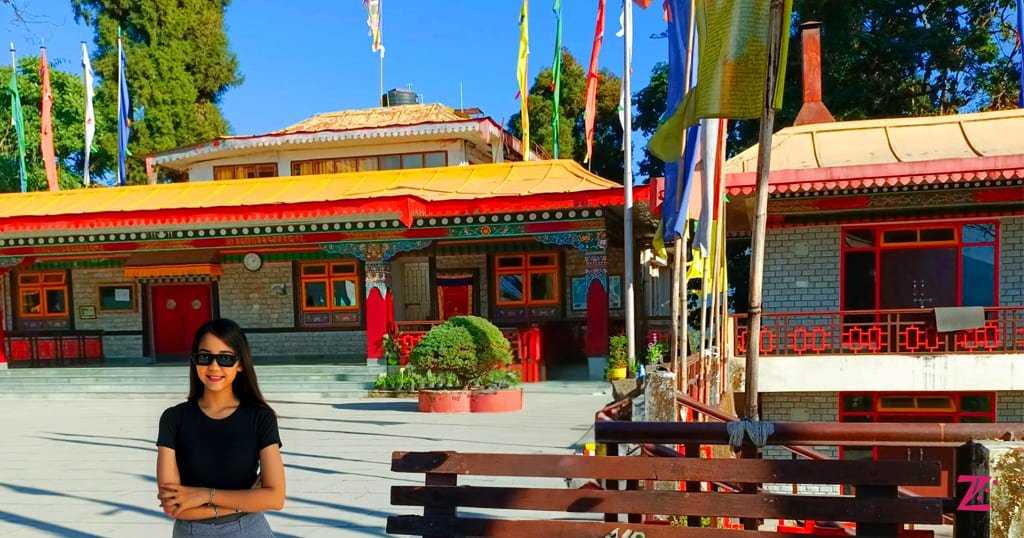
Our first stop was the Enchey Monastery perched gently on a hill. It was not crowded at all just the sound of prayer flags fluttering and occasional chants echoing from within. The monastery was built in the 19th century and still holds a sacred aura. I spent nearly 40 minutes here just walking around watching the monks go about their day.
Next, we headed to the Ganesh Tok viewpoint. The temple itself is small but the real attraction is the panoramic view of Gangtok city and if the sky is clear the distant Kanchenjunga range. Sadly, clouds had rolled in by the time I got there so no snow peaks but still worth the visit for the serene vibe.
After that came Hanuman Tok a peaceful hilltop temple maintained by the Indian Army. It is cleaner and quieter than most touristy spots and the views from up there are spectacular. The climb involves a few stairs but it’s not exhausting. I saw a lot of locals offering prayers here.
Later, I visited the Namgyal Institute of Tibetology. This institute offers a deep dive into Buddhist culture something you won’t find in most standard Sikkim Darjeeling tour packages. If you are curious about Buddhist history and Tibetan culture this museum is a must-visit. The entry fee was just ₹20. I found old manuscripts, thangkas (traditional paintings) and even ritual objects used by monks. It felt like a deeper look into the region’s soul.
By afternoon, I was back near MG Marg. I had lunch at Taste of Tibet a small upstairs eatery known for its authentic flavors. I ordered shyaphaley (Tibetan fried meat pie) and noodle soup and both were amazing. For food lovers, trying local food in Sikkim like thukpa or shyaphaley is a must. It is not just filling it connects you to the region.
I spent the evening strolling through the market area picking up local souvenirs like prayer flags, Sikkim tea and woollen scarves. I skipped the cable car ride that many tourists suggest it felt too crowded and a bit overhyped at least during the peak hours.
Back at the hotel I reflected on the day. Gangtok does not just offer sightseeing it offers peace. That’s what made the day so fulfilling.
Real Notes from the Day:
- Enchey Monastery is best visited early morning to avoid even small tour groups.
- Clouds often cover views by late morning, so start your sightseeing early.
- Namgyal Institute closes by 4 PM, so don’t leave it for the end.
- The cable car felt too crowded; not worth it unless you go early or during off-season.
- Carry some small change some monasteries and local museums have exact-cash entry.
Day 5: Tsomgo Lake and Baba Mandir – A Journey into Silence and Snow
This day started even earlier than usual. You will need a valid Nathula Pass permit and general permits for Sikkim for this route which your hotel or tour agent can arrange with ID proof.” I had arranged the Nathula Pass circuit (which includes Tsomgo Lake and Baba Mandir) through a local travel agent on MG Marg a day before. I paid ₹4,500 for a shared SUV (6-seater) which included permit charges, breakfast and a full-day trip.
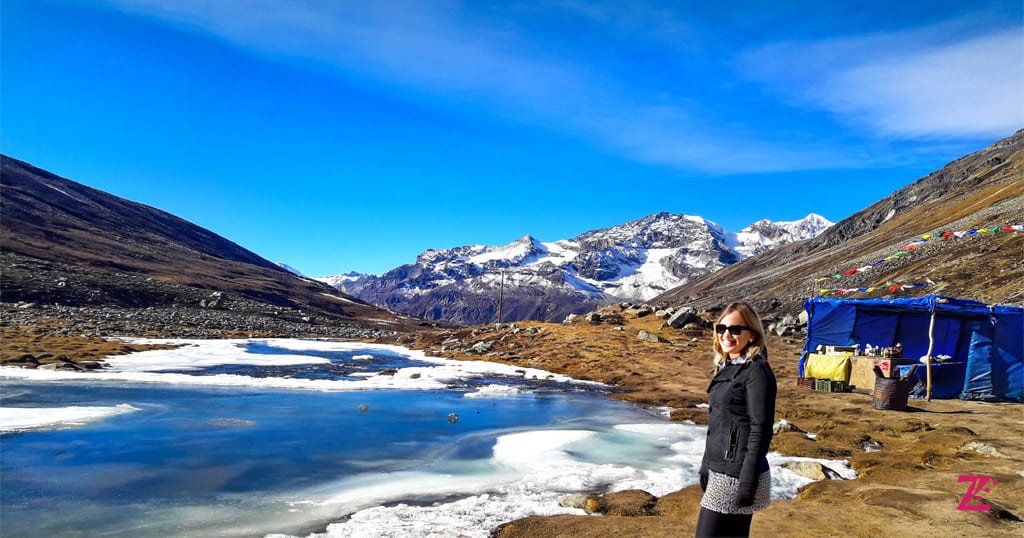
We left Gangtok around 7 AM with the chilly wind creeping through the windows. The roads were narrow and steep winding through army zones and snow-covered cliffs. Because this area is under army supervision and weather-sensitive permit availability can change another reason why knowing the best time to visit Sikkim and Darjeeling is important. Around 10:00 AM we reached Tsomgo Lake a high-altitude glacial lake frozen at the edges with yaks standing still like ancient statues.
The silence at the lake was incredible. The water had this mirror-like surface reflecting the snowy ridges above. I walked the short trail around the lake and tried the famous yak ride which was more for the photo than the thrill. It cost me ₹500 and while slightly touristy it made for a fun memory.
Next, we headed further to the Baba Harbhajan Singh Mandir around 30 km ahead. The shrine is dedicated to an Indian soldier who according to locals and army personnel still “guards” the border long after his death. The story felt surreal but standing there surrounded by prayer flags and silence it somehow felt true.
Lunch was arranged at a tiny army-run cafeteria near the mandir simple rajma-chawal served piping hot in the cold. It was perhaps the most humble and touching meal of the trip.
Unfortunately, Nathula Pass was closed that day due to snow and landslide risks a common occurrence during the season. While disappointing, it reminded me that the mountains follow their own rules.
We began the return journey around 2:30 PM and reached Gangtok by 5:30 PM tired but filled with memories. I skipped dinner and just had some light snacks at the hotel.
Real Notes from the Day:
- Nathula Pass is often shut without notice always be mentally prepared to skip it.
- The road to Tsomgo is very rough. Not recommended for those with motion sickness or back pain.
- Carry warm clothes the temperature drops sharply near the lake and Baba Mandir.
- Keep your Aadhaar or ID proof handy for permit checks.
- Yak rides are fun for pictures but not essential you can enjoy the lake without them too.
Day 6: Slow Day in Gangtok – Last Views, Last Walks
After the intense ride to Tsomgo Lake the previous day I didn’t want another long road trip. So I decided to spend my final full day in Gangtok in a slow peaceful way no rush just letting the city breathe around me.
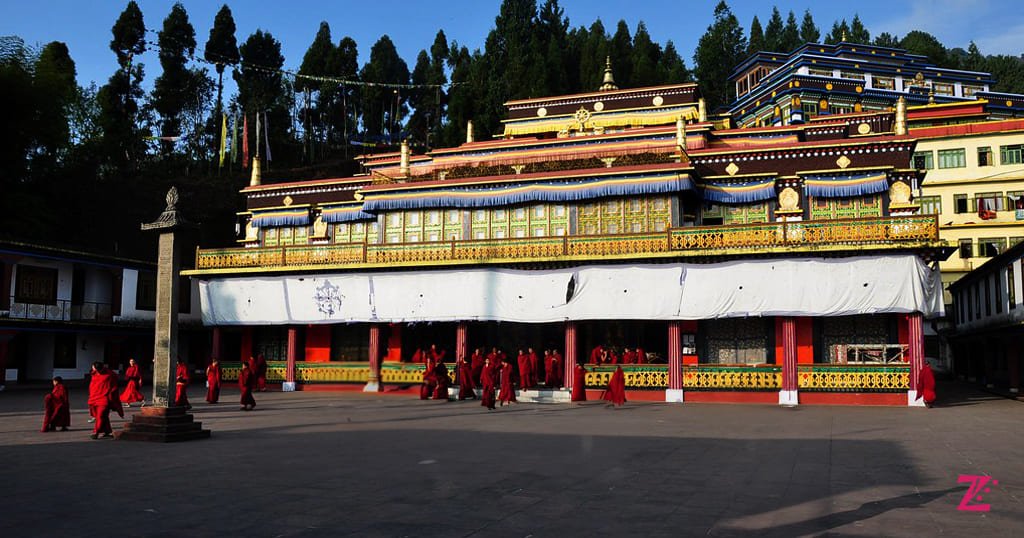
I started the morning with a simple breakfast at The Coffee Shop near MG Marg scrambled eggs, toast and a hot cup of Sikkimese tea. I took my time and sat by the window watching the city wake up. By now, I understood why many call spring the best time to visit Sikkim and Darjeeling cool mornings, clear skies and manageable crowds.
Around 10:30 AM, I took a local taxi to Rumtek Monastery one of the largest and most significant monasteries in Sikkim. The drive was about 45 minutes and the route passed through lush greenery and quiet mountain paths. Entry was ₹50. The monastery itself was calm and regal with red-and-gold architecture and monks walking silently between prayer halls. I stayed for over an hour just walking and observing. It felt like time had slowed down.
On the way back, I asked the driver to stop at Tashi View Point. The sky was partly clear and for a few golden minutes the peaks of the eastern Himalayas showed themselves. The view wasn’t as sharp as Tiger Hill but it felt more personal less crowded, and silent. A cup of spicy chai from a nearby stall made the view even better.
In the afternoon, I returned to MG Marg did some last-minute shopping and picked up Sikkim tea, a prayer wheel keychain and a woolen cap from a small shop called Tribal Craft Corner. The shopkeeper even shared a few tips on brewing tea the local way.
Dinner that night was special I went to Cafe Live & Loud a lively café tucked above a store known for its live music. I had a light dinner of grilled chicken and mashed potatoes and stayed for a while listening to an indie band perform Nepali and Hindi fusion songs. The energy was warm the food comforting and it felt like the perfect way to say goodbye to Gangtok.
Real Notes from the Day:
- Rumtek Monastery is peaceful, but do wear shoes you can easily slip off you will need to remove them multiple times.
- Tashi View Point is weather-dependent. Don’t expect perfect views just take what the sky gives you.
- MG Marg shops often have fixed prices, but some roadside stalls may allow polite bargaining.
- Cafe Live & Loud has stairs and no elevator, so plan accordingly if you are carrying bags or with seniors.
Day 7: Back to Darjeeling and Onward – A Farewell to the Hills
I woke up with a strange heaviness in my chest the kind you feel when something beautiful is coming to an end. After breakfast, I packed my bags checked out of the hotel and took a shared cab back to Darjeeling. Since I had an evening train from NJP the next day I planned to stay in Darjeeling for one last night to break up the journey.
The cab ride from Gangtok to Darjeeling took around 4.5 hours and I paid ₹550. The route was almost the same, but this time the sky was clearer and I could see layers of green hills rolling endlessly on both sides. We passed by Teesta River several times its blue-green waters flowing calmly beside the road. It felt like the mountains were whispering goodbye.
I reached Darjeeling around 1:30 PM and checked into a different hotel this time Hotel Mohit, just off Mall Road. It was not fancy but it was centrally located, clean and the staff was friendly. I paid ₹1,800 for the night.
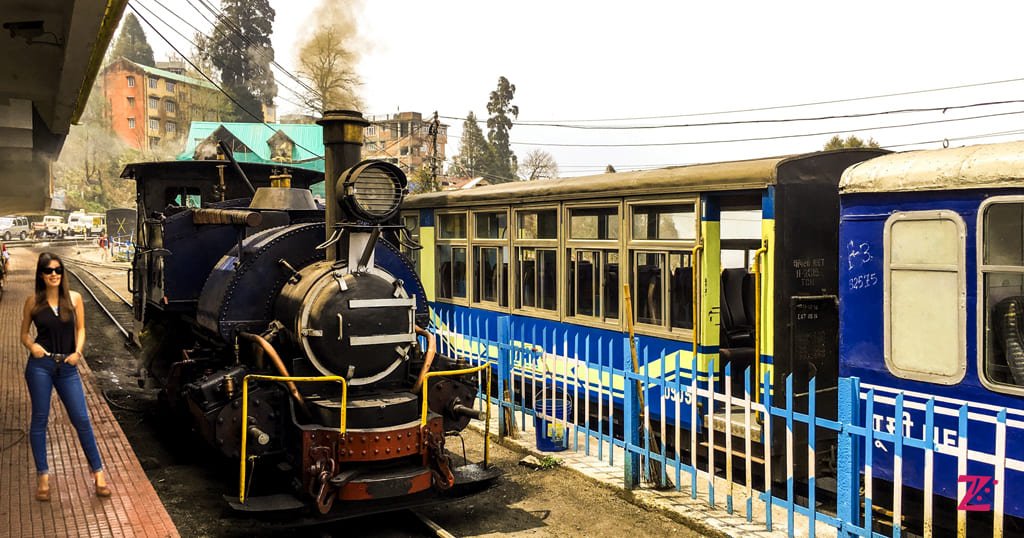
After freshening up, I walked to the Darjeeling Himalayan Railway Station. I hadn’t taken the toy train ride earlier, so I bought a ticket for the short joyride to Ghoom and back. It cost ₹1,000 and lasted about two hours. The train chugged slowly through the hills tooting its whistle past small houses and waving children. It felt a bit touristy, yes, but also charming like stepping into a piece of colonial history.
This marked the end of my Sikkim Darjeeling itinerary and somehow the tea tasted richer like the mountains were saying goodbye. In the evening, I returned to Glenary’s for one last bite. I ordered their signature club sandwich and sat on the terrace again. The sun dipped low painting the rooftops with gold. Darjeeling felt quieter this time almost like it knew I was leaving.
Back in the hotel I packed my things and kept my train ticket ready. Tomorrow, I would leave for NJP early in the morning. The trip was over but something inside me had changed. A sense of calm a little more patience and memories I knew I’d return to again and again.
Real Notes from the Day:
- Cabs from Gangtok to Darjeeling get booked fast in the morning try to reserve your seat the night before.
- The toy train ride is slow and shaky but still worth doing once for the experience.
- Don’t try to do too much on the last day. Leave room for rest and reflection.
- Glenary’s can get crowded in the evening go before 6:30 PM to get a good seat.
Closing Note – A Journey That Stayed with Me
This 7-day journey through Sikkim and Darjeeling wasn’t just about ticking places off a list. It was about the moments in between the quiet tea sips in the cold, the unplanned conversations with locals the sudden snowfall at a lake or the kind stranger who helped me find my way in a market.
Sikkim gave me calm. Darjeeling gave me charm. Both gave me stories I will carry for a long time. Yes, there were bumpy roads closed passes and a few overpriced meals. But all of that was part of the real experience not perfect but honest.
If you are planning your own Sikkim Darjeeling tour, I hope this itinerary helps you skip some mistakes, save some time and soak in the moments that really matter. Go with an open heart, pack light keep your phone down once in a while and just be there. Because some places don’t just stay in your photos. They stay with you.
FAQ
What is the best time to plan a Sikkim Darjeeling tour?
The best time is from March to June and October to early December. These months offer clear skies, pleasant weather, and good road conditions. Avoid the monsoon season (July–September) due to landslides.
How can I get permits for Tsomgo Lake and Nathula Pass?
You’ll need a valid ID proof (Aadhaar or Passport) and two passport-sized photos. Local tour operators in Gangtok handle the permit process. It usually takes 24 hours and permits are only issued to Indian citizens.
Is it better to start the trip from Darjeeling or Gangtok?
Either route works well, but starting from Darjeeling and ending in Gangtok offers a smoother altitude transition and better flow. That’s the route followed in this itinerary.
Are shared cabs safe and comfortable for solo travelers?
Yes, shared cabs are common and safe, though comfort depends on the number of passengers and road conditions. Always keep your luggage close and avoid nighttime travel in remote stretches.
What should I pack for a Sikkim Darjeeling trip?
Carry layered warm clothing, a rain cover, motion sickness tablets, a power bank and ID proofs. Good walking shoes are a must. If visiting in winter, pack thermals and gloves.
Can foreigners visit Tsomgo Lake or Nathula Pass?
Unfortunately, foreign nationals are not allowed at Nathula Pass and require a special permit to visit certain restricted areas. It’s best to check the latest regulations with local authorities or your hotel.
Is the toy train ride in Darjeeling worth it?
Yes, at least once. The short joyride from Darjeeling to Ghoom is scenic and nostalgic. Just don’t expect a fast or luxurious ride it’s more about the charm and experience.